Teen Attitude Problems: How to Respond to a Disrespectful Teen Without Making It Worse
Apr 30, 2026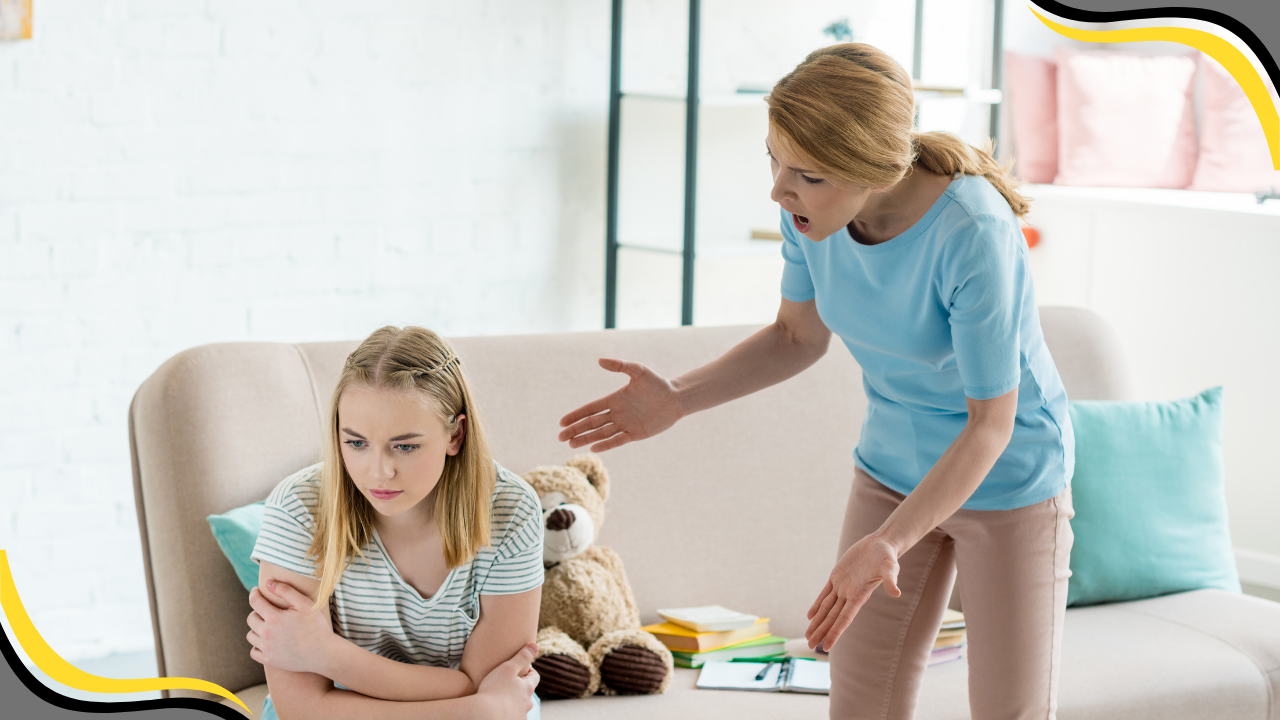
If you’re parenting a tween or teen, chances are you’ve experienced it:
The eye roll.
The sarcastic comment.
The “whatever.”
The door slam.
Teen attitude problems can feel constant—and deeply personal.
You might find yourself thinking:
- “Why is my teen so disrespectful?”
- “Where did this attitude come from?”
- “Am I doing something wrong?”
And in those moments, it’s incredibly easy to react.
To raise your voice.
To lecture.
To take something away.
But here’s the truth:
How you respond to teen attitude matters more than the attitude itself.
Because your response either escalates the situation…
or turns it into a teaching moment.
Why Teen Attitude Problems Are So Common
Before we talk about what to do, it helps to understand what’s actually happening.
Teen brains are still developing—especially the parts responsible for:
- Emotional regulation
- Impulse control
- Perspective-taking
At the same time, teens are navigating:
- Increased independence
- Social pressure
- Identity development
- Academic stress
So when your teen seems “disrespectful,” what you’re often seeing is:
👉 Emotional overwhelm
👉 Frustration
👉 A lack of skills—not a lack of character
That doesn’t mean the behavior is okay.
But it does mean your response should focus on teaching—not just correcting.
Why Reacting Makes Teen Attitude Worse
When your teen talks back or shows attitude, your nervous system reacts.
You might feel:
- Disrespected
- Hurt
- Angry
- Out of control
So you respond quickly.
You lecture.
You punish.
You escalate.
And your teen?
They usually:
- Fight back
- Shut down
- Get more defensive
This creates a cycle:
Teen attitude → Parent reaction → More attitude → More conflict
Breaking that cycle starts with one shift:
Pause before you respond.
What to Say When Your Teen Is Disrespectful
Instead of reacting emotionally, aim for calm, clear boundaries.
Here are simple scripts you can use:
- “You’re allowed to be upset. You’re not allowed to be disrespectful.”
- “I’m willing to listen when you can speak calmly.”
- “We’re not going to solve this while we’re both upset.”
- “You don’t have to agree with me, but you do need to be respectful.”
These statements do two things:
- They acknowledge your teen’s feelings
- They hold a clear boundary around behavior
That balance is key.
Avoid Turning It Into a Power Struggle
One of the biggest mistakes parents make is trying to “win” the moment.
But power struggles rarely lead to respect.
They lead to:
- More resistance
- More arguing
- Less connection
Instead of engaging in the back-and-forth, try this:
👉 Set the boundary
👉 Say less
👉 Step away if needed
For example:
“I’m going to pause this conversation. We’ll talk later.”
This isn’t giving up.
It’s choosing a more effective moment.
Why Timing Matters
When your teen is emotionally escalated, their brain is not ready to learn.
And if you’re escalated too—you’re not in a place to teach.
That’s why the real work happens later.
The Power of Repair Conversations
Once things have calmed down, come back to the situation.
Not to lecture.
But to teach.
You might say:
“Earlier, when you said that, it didn’t feel respectful. I know you were upset. What could you say differently next time?”
This helps your teen:
- Reflect on their behavior
- Learn alternative responses
- Practice communication skills
And over time, this builds emotional intelligence.
When to Use Consequences
Sometimes, consequences are appropriate.
Especially if the behavior is repeated or escalates.
But effective consequences are:
- Calmly delivered
- Connected to the behavior
- Not overly punitive
For example:
“I’m not going to continue this conversation while you’re speaking this way.”
or
“We can revisit that request when the conversation is respectful.”
This reinforces accountability without damaging the relationship.
What If You Lose Your Cool?
You will.
Every parent does.
What matters is what you do next.
Repair might sound like:
“I didn’t handle that the way I wanted to. I’m sorry for raising my voice. Let’s try again.”
This models exactly what you want your teen to learn.
The Bigger Goal
The goal is not to eliminate teen attitude completely.
That’s not realistic.
The goal is to raise a teen who can:
- Regulate emotions
- Communicate respectfully
- Repair after conflict
- Take responsibility
And those skills are built through practice.
Through consistency.
Through how you show up—again and again.
Final Thought
The next time your teen shows attitude…
pause.
Set a boundary.
Come back later.
Teach the skill.
That’s how you handle teen attitude problems…
without making them worse.
Join the Family here...
We hate SPAM. We will never sell your information, for any reason.