ADHD Behavior Problems in Kids: Gut Health, Screen Time, Sleep, and Meltdowns
Jul 02, 2026
ADHD behavior problems in kids are not always just discipline issues. Meltdowns, irritability, impulsivity, screen battles, and emotional explosions may also be signs that a child’s body and nervous system are overwhelmed. Gut health, nutrition, inflammation, sleep, blood sugar, movement, and screen time can all affect how much capacity a child has to regulate.
Main Answer
If your child has ADHD or ADHD-like symptoms, it can be easy to focus only on the behavior you see: the meltdown, the refusal, the screen battle, the impulsive comment, the inability to focus, or the emotional explosion.
But behavior can also be communication.
In this episode of the Single Parenting Reset Show, Tess Connolly, LCSW, talks with ADHD and nutrition expert Dana Kay about how ADHD behavior problems in kids may be connected to what is happening inside the body.
Dana explains that many children with ADHD are not simply choosing to be difficult. Their nervous systems may be overloaded. Their sleep may be poor. Their blood sugar may be unstable. Their gut may be struggling. Their body may be inflamed. Their brain may be receiving too much stimulation from screens and not enough regulation from sleep, movement, connection, and nutrition.
This does not mean boundaries do not matter.
They do.
But it does mean parents can begin looking underneath the behavior with more curiosity.
Instead of only asking, “How do I stop this behavior?” parents can also ask:
“What might this behavior be telling me?”
ADHD Behavior Is Not Always Defiance
Parents of children with ADHD often feel like they are walking on eggshells.
A simple request can lead to an explosion.
Turning off the iPad can become a battle.
Homework can feel impossible.
Bedtime can turn into an argument.
A child may go from calm to furious in seconds.
Dana explains that these moments are often not only about the immediate trigger. The shoes, the screen, the homework, or the bedtime routine may simply be the final stressor that pushes an already overloaded nervous system past its capacity.
Children with ADHD may already be working harder to manage attention, impulse control, emotional regulation, sensory input, and transitions. When you add poor sleep, inflammation, hunger, blood sugar crashes, gut issues, or screen overstimulation, their ability to regulate can drop even more.
Behavior Is Communication
One of the most important themes in this episode is simple:
Behavior is communication.
A meltdown may communicate:
- “I am overwhelmed.”
- “I am hungry.”
- “I am exhausted.”
- “I am overstimulated.”
- “I do not know how to transition.”
- “My body feels out of control.”
- “I cannot access my thinking brain right now.”
- “I need help regulating before I can problem-solve.”
This does not mean parents should ignore disrespectful behavior or remove all expectations.
It means parents can hold boundaries while also asking better questions.
Instead of seeing the child as bad, manipulative, or oppositional, parents can begin to see the behavior as information.
That shift can reduce shame and help parents respond more effectively.
ADHD, Gut Health, and the Body-Brain Connection
Dana brings a whole-body lens to ADHD symptoms and behavior.
She explains that the brain does not operate separately from the rest of the body. The brain is constantly receiving signals from the gut, immune system, hormones, nutrient levels, blood sugar, sleep patterns, and nervous system.
This is why Dana encourages parents to consider the body when looking at ADHD symptoms.
Gut health is not a simple cure for ADHD. Parents should be careful about anyone making that claim.
But for some children, supporting the body through sleep, nutrition, movement, and appropriate professional assessment may help reduce stress on the nervous system and support better regulation.
This is best understood as a supportive lens, not a replacement for evidence-based ADHD care.
Why Nutrition Can Affect Mood and Behavior
In the episode, Dana talks about the importance of stable blood sugar and adequate protein.
Many children start the day with cereal, waffles, muffins, toast, or other high-carbohydrate breakfasts. For some children, this can contribute to a blood sugar spike followed by a crash. When blood sugar drops, mood, focus, frustration tolerance, and emotional regulation may suffer.
Dana recommends starting with protein at breakfast.
Examples include:
- Eggs
- Greek yogurt
- Smoothies with protein
- Turkey or chicken sausage
- Nut butter
- Cottage cheese
- Protein-rich leftovers
- Tofu scramble
- Beans or another protein-rich option your child will accept
Dana also recommends what she calls the “no naked carb” rule. This means pairing carbohydrates with protein or healthy fat.
Examples:
- Apple slices with nut butter
- Crackers with cheese
- Toast with eggs
- Fruit with yogurt
- Rice cakes with avocado or turkey
- Banana with peanut butter
- Granola with Greek yogurt
The goal is not perfection.
The goal is steadier fuel for the brain and body.
Sleep and ADHD Symptoms
Sleep is one of the most important places for parents to look.
A tired brain can look like an ADHD brain.
Poor sleep can affect:
- Focus
- Mood
- Impulse control
- Emotional regulation
- Frustration tolerance
- Motivation
- Learning
- Behavior
Dana encourages parents to watch not only how many hours a child is in bed, but also the quality of sleep.
Things to notice:
- Mouth breathing
- Snoring
- Restless sleep
- Frequent waking
- Difficulty falling asleep
- Difficulty waking up
- Daytime fatigue
- Morning irritability
If a child snores, mouth breathes, seems chronically tired, or has restless sleep, parents may want to discuss this with a pediatrician or qualified healthcare provider.
Screen Time and ADHD Nervous System Dysregulation
Screen time is one of the most common stress points for parents of tweens and teens.
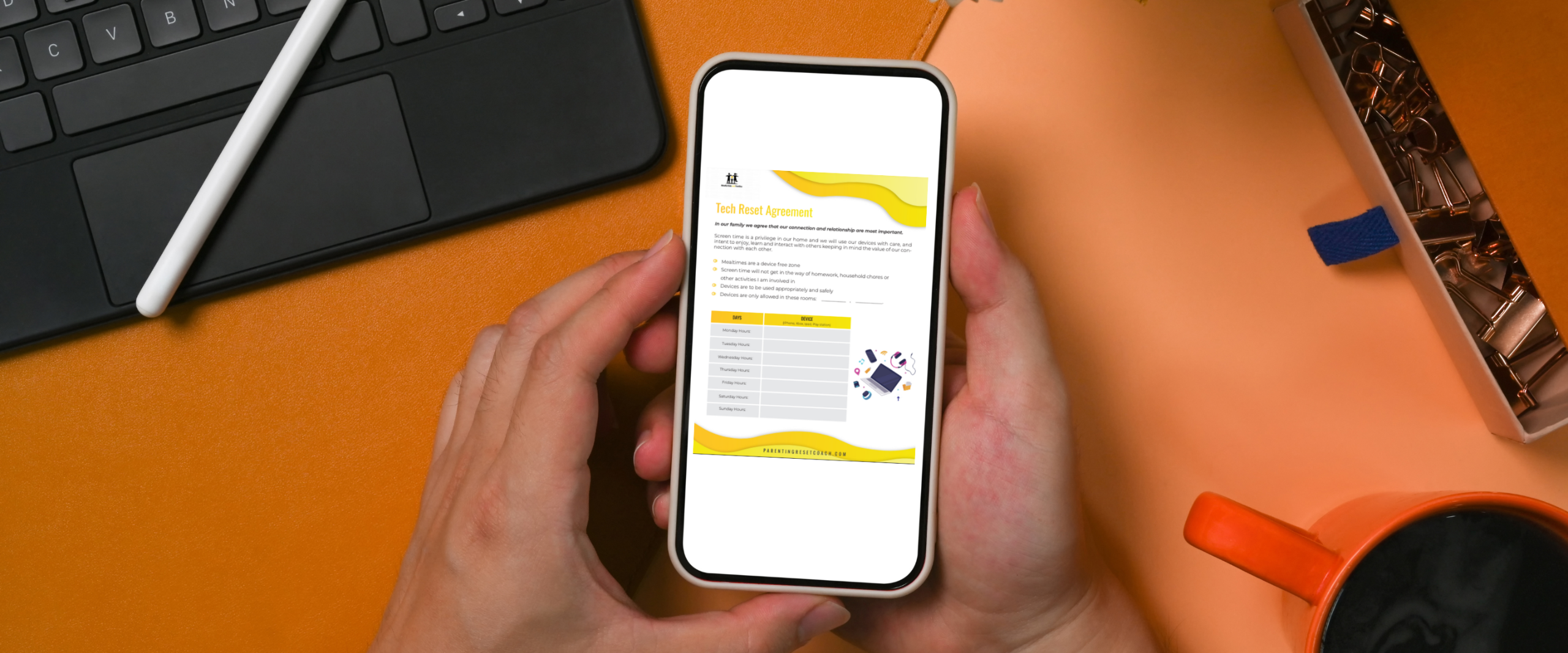
Dana explains that screens are not passive for the brain. Fast-moving images, bright colors, notifications, games, YouTube, and quick dopamine rewards can be highly stimulating.
For a child with ADHD, who may already struggle with attention, impulsivity, and transitions, screens can be especially hard to stop.
This helps explain why screen transitions can become so explosive.
A child’s nervous system may be moving at video game speed, and then a parent suddenly asks them to shift into real-life speed.
That transition can feel almost impossible.
This is why a child may rage when the screen turns off, argue intensely, or say hurtful things in the moment.
The screen did not just entertain the child.
It may have activated an already stressed nervous system.
Screen-Free Pockets Instead of Harsh Screen Bans
Dana does not suggest that every family needs a dramatic screen ban.
Instead, she recommends screen-free pockets.
This is a practical and realistic approach for many families.
Screen-free pockets may include:
- No screens for the first 30–60 minutes after waking
- No screens during meals
- No screens right before school
- No screens for the first 20–30 minutes after getting home
- No screens in bedrooms overnight
- No screens 30–60 minutes before bed
- Screen-free family time one evening a week
The goal is to create rhythms that help the nervous system regulate.
For example, after school, many children are depleted. They may look calm on screens, but they may actually be numbing rather than regulating.
Dana suggests trying:
- A protein snack
- Ten minutes outside
- A walk
- A trampoline
- Time with a pet
- Sitting together
- A short connection ritual
- Movement before screens
This gives the child’s nervous system a chance to settle before adding more stimulation.
Use Timers and Transition Plans
Many children with ADHD struggle with time blindness and transitions.
That is why “turn it off now” often does not work well.
Dana recommends using timers and clear transition plans.
Instead of saying:
“Turn it off.”
Try:
“When the timer goes off, the show ends and then we are having dinner.”
Or:
“When this game is done, we are turning off the iPad and going outside.”
Or:
“You have ten more minutes. When the timer goes off, the screen goes on the charger and we are moving to bedtime.”
This helps the nervous system know what is coming next.
It does not make every transition easy, but it gives the child more structure.
Movement Is Medicine for the Nervous System
Movement helps children release stress, regulate mood, and reconnect with their bodies.
Dana recommends simple movement, not complicated exercise plans.
Movement can include:
- Walking
- Bike riding
- Trampoline time
- Sports
- Climbing
- Dancing
- Swimming
- Playing outside
- Walking the dog
- Shooting baskets
- Stretching
- Rough-and-tumble play when appropriate
Movement does not need to be perfect to be helpful.
A child who is dysregulated may need to move before they can talk, problem-solve, or cooperate.
Parents Play an Important Role in ADHD Support
This episode is also a reminder that parents are not powerless.
Parent support matters.
This does not mean parents caused ADHD.
They did not.
It means parents can be part of the support system that helps a child build skills, reduce shame, and function better at home and school.
A supportive parent can help create routines, build screen-time structure, support sleep, offer steady connection, notice patterns, and advocate for appropriate professional support when needed.
Where Parents Can Start
If you are overwhelmed, do not try to change everything at once.
Start with one small shift.
Choose one:
- Add protein at breakfast.
- Pair carbs with protein or fat.
- Create a screen-free morning pocket.
- Remove devices from bedrooms overnight.
- Add 10 minutes of movement after school.
- Create a screen transition plan.
- Protect bedtime from overstimulating screens.
- Watch your child’s sleep quality.
- Ask, “What might this behavior be communicating?”
Small consistent changes are more sustainable than dramatic changes that collapse after three days.
FAQ: ADHD Behavior Problems, Gut Health, Screen Time, and Sleep
Can gut health affect ADHD behavior?
Gut health may influence mood, inflammation, digestion, sleep, and nervous system regulation. It is not a cure for ADHD, but for some children, supporting gut health may be one part of a larger ADHD support plan.
Why does my child with ADHD melt down after screen time?
Screen time can be highly stimulating. For some children with ADHD, the nervous system may become activated by fast-moving images, games, videos, and quick rewards. When the screen turns off, the transition back to real life can feel very hard.
What is one small change parents can make for ADHD behavior?
One helpful place to start is protein at breakfast. Another is creating a screen-free pocket before school or before bed. Parents do not need to change everything at once.
Are ADHD meltdowns a discipline problem?
Sometimes children need clearer boundaries and expectations. But ADHD meltdowns can also be signs of overwhelm, poor sleep, hunger, sensory overload, or difficulty with transitions. Behavior is often communication.
Should parents remove all screens?
Not necessarily. Many families do better with screen-free pockets instead of dramatic bans. Examples include no screens before school, during meals, in bedrooms overnight, or during the hour before bed.
Final Thoughts
ADHD behavior can be challenging, exhausting, and confusing for parents.
But when parents begin to see behavior as communication, they can respond with more curiosity and less blame.
Your child still needs boundaries.
Your child still needs expectations.
Your child still needs support, structure, and accountability.
But your child may also need help with sleep, nutrition, screen transitions, movement, nervous system regulation, gut health, and emotional safety.
The goal is not to become a perfect parent.
The goal is to become a more curious, steady, and connected guide.
Join the Family here...
We hate SPAM. We will never sell your information, for any reason.