
Teen Attitude Problems? 3 Parenting Scripts to Stay Calm and Hold Boundaries
Jun 16, 2026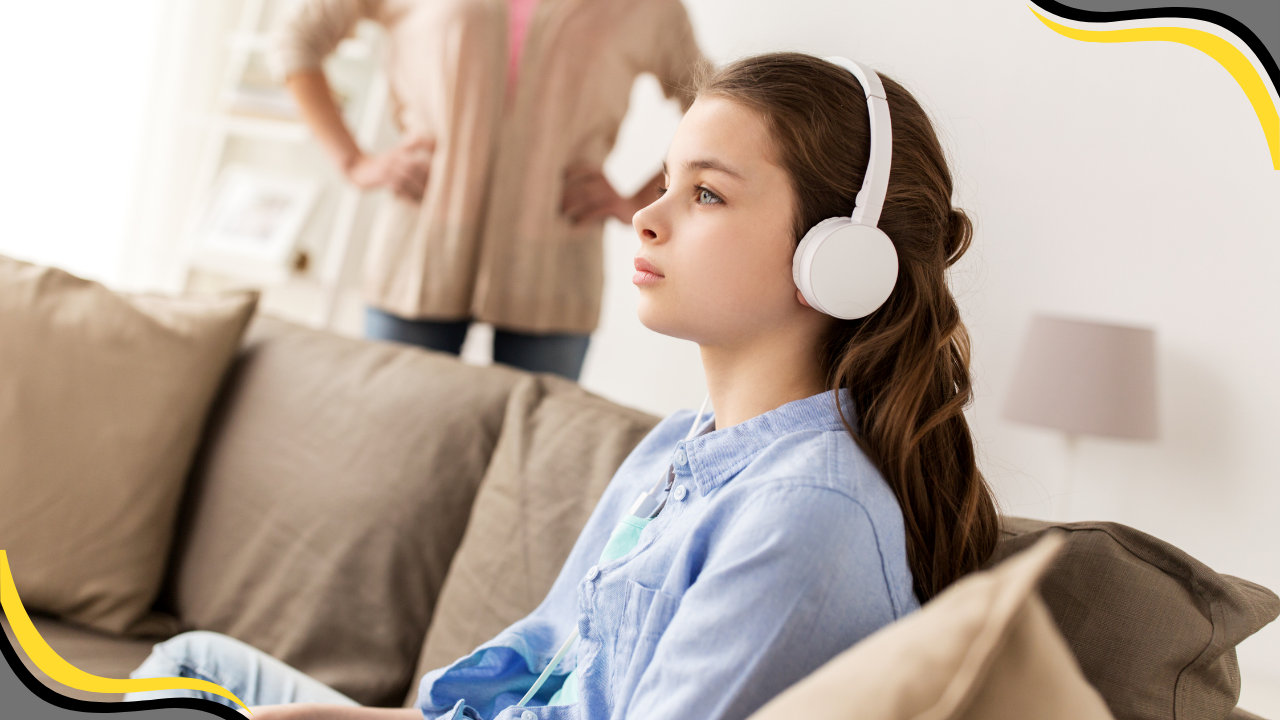
Teen attitude problems can feel exhausting for parents.
You ask a simple question, and your teen responds with sarcasm.
You set a limit, and they roll their eyes.
You remind them of something, and they say, “Whatever.”
You try to help, and they snap, “Leave me alone.”
For many parents, especially single parents, these moments can feel deeply personal.
You may feel:
Disrespected
Dismissed
Hurt
Angry
Unappreciated
Worried that you are losing connection with your child
But teen attitude is not always just about disrespect.
Often, teen attitude is also connected to emotional dysregulation.
That does not mean rude behavior is acceptable.
It does not mean your teen gets to talk to you however they want.
It does not mean you ignore disrespect.
It means you learn how to respond in a way that holds the boundary without escalating the entire interaction.
In this post, you’ll learn:
Why teen attitude often escalates so quickly
How emotional regulation affects teen communication
Three parenting scripts for teen sarcasm, eye rolls, talking back, and snapping
How to stay calm without becoming permissive
How to protect connection while still expecting respect
H2:
Why Teen Attitude Feels So Triggering for Parents
Teen attitude can feel small from the outside.
But inside the parent-child relationship, it can feel very big.
A teen’s tone can activate a parent’s nervous system quickly.
Examples of teen attitude include:
Eye rolling
Sarcasm
Heavy sighing
Saying “whatever”
Talking back
Walking away
Snapping
Dismissive tone
Refusing to engage
Acting annoyed by everything a parent says
These behaviors can trigger parents because they often feel like rejection.
A parent may think:
“After everything I do, this is how they treat me?”
“My teen has no respect for me.”
“I’m losing control.”
“I’m failing as a parent.”
“If I don’t shut this down, it will get worse.”
Those thoughts make sense.
But when parents respond from that hurt or fear, the interaction often escalates.
The teen reacts.
The parent reacts.
The teen gets louder, colder, or more dismissive.
The parent lectures, threatens, or follows them down the hallway.
Now the conflict is no longer about the original issue.
It has become about tone, respect, power, control, and emotional overload.
Teen Attitude Is Often Dysregulation, Not Just Disrespect
One important parenting mindset shift is this:
Teen attitude is often less about power and more about dysregulation.
That does not excuse disrespect.
But it does change how you respond.
Tweens and teens are still developing emotional regulation skills.
Their brains are still learning how to:
Pause before reacting
Use respectful language when upset
Tolerate frustration
Handle limits
Manage embarrassment
Talk about feelings directly
Recover from disappointment
Accept boundaries without escalating
Many teens are also carrying stress before a parent even enters the room.
Common sources of teen dysregulation include:
School stress
Social pressure
Friendship conflict
Hormonal changes
Sleep deprivation
Screen overstimulation
Academic pressure
Sports pressure
Family stress
Anxiety
Feeling misunderstood
Wanting independence but still needing support
Parents often become the safest place where all of that emotional overflow comes out.
Again, that does not make rude behavior okay.
But it does help parents respond with more skill.
The goal is not to let everything slide.
The goal is to stay steady enough to lead the moment.
Why Calm Parenting Does Not Mean Permissive Parenting
Many parents worry that if they stay calm, they are letting their teen get away with disrespect.
This is not true.
Calm parenting does not mean:
Ignoring the behavior
Letting your teen be rude
Avoiding limits
Giving in
Being passive
Acting like disrespect is acceptable
Calm parenting means:
You stay regulated enough to respond clearly
You use fewer words
You hold the boundary
You do not match your teen’s intensity
You come back later if the issue needs repair
You model the emotional regulation you want your teen to develop
A calm parent can still be firm.
A calm parent can still say no.
A calm parent can still hold an expectation.
The difference is that the parent is not emotionally joining the chaos.
Script 1: What To Say When Your Teen Is Sarcastic
Teen sarcasm can feel especially disrespectful.
You may ask your teen to do something simple, and they respond with:
“Wow, amazing idea.”
“Yeah, because you know everything.”
“Sure, because I do nothing around here.”
“Great, another lecture.”
A parent’s natural response may be:
“Excuse me?”
“Don’t get smart with me.”
“You’re being ridiculous.”
“Watch your tone.”
Those responses may be understandable, but they often increase defensiveness.
Instead, try this parenting script:
“I can hear that you’re frustrated. Let’s talk without attacking each other.”
Another option:
“I’m willing to continue this conversation respectfully.”
Why this works:
It names the emotion without approving the behavior
It sets a respectful boundary
It avoids sarcasm back
It keeps the parent steady
It gives the teen a chance to reset
This script communicates:
“I hear that you are upset.”
“I am not going to attack you.”
“I am not going to let you attack me.”
“We can continue when the conversation is respectful.”
This is emotional regulation parenting in action.
Script 2: What To Say When Your Teen Rolls Their Eyes or Says “Whatever”
Eye rolls and “whatever” can quickly pull parents into a power struggle.
Example:
You say:
“Please put your phone away.”
Your teen says:
“Whatever.”
Then they roll their eyes, sigh, or walk away.
Many parents then chase the attitude.
They may say:
“Don’t walk away from me.”
“Why do you always have an attitude?”
“You are so disrespectful.”
“I’m tired of this behavior.”
Now the original issue has been lost.
The original issue was the phone.
But now the fight is about attitude, respect, and emotional escalation.
Instead, try this script:
“I’m going to stay focused on the expectation, not the attitude.”
Or:
“You don’t have to like the limit. The limit is still the limit.”
Why this works:
It keeps the parent focused on the boundary
It avoids chasing every emotional reaction
It reduces the power struggle
It makes the expectation clear
It separates the limit from the teen’s feelings about the limit
Example:
Instead of saying:
“You are addicted to your phone.”
Try:
“The agreement is phones off at 9:30.”
Instead of saying:
“You are so disrespectful lately.”
Try:
“You don’t have to like the limit. The limit is still the limit.”
This is especially helpful when parents have already created clear family agreements.
When expectations are predictable, parents do not have to invent rules in the heat of the moment.
They can return to the agreement.
Predictability lowers conflict.
Script 3: What To Say When Your Teen Snaps At You
When teens snap, it can hurt.
They may say:
“Leave me alone.”
“You don’t understand anything.”
“Stop talking to me.”
“You’re so annoying.”
“I don’t care.”
For parents, this can feel painful and rejecting.
Many parents respond by lecturing.
They may say:
“Do you know how much I do for you?”
“I am only trying to help.”
“You cannot talk to me like that.”
“You need to learn some respect.”
Those statements may be true.
But emotionally flooded teens rarely process lectures well.
When teens are overwhelmed, they often shift into defense mode:
Fight
Flight
Freeze
Shutdown
In those moments, fewer words usually work better.
Try this script:
“You seem really overwhelmed right now. I’m here when you’re ready.”
Or:
“I think we both need a reset before continuing this conversation.”
Or:
“I love you too much to keep fighting like this.”
Why this works:
It lowers emotional intensity
It protects connection
It gives space without abandoning the teen
It prevents the parent from over-talking
It creates room for a later repair conversation
This does not mean the issue disappears.
Later, when everyone is calmer, the parent can return and say:
“Earlier was not okay. I know you were overwhelmed, but we still need to work on how we speak to each other.”
That is the balance.
Connection and accountability.
Warmth and boundaries.
Calm and firmness.
What Not To Do When Teen Attitude Shows Up
When your teen has attitude, try not to:
Lecture in the heat of the moment
Shame your teen
Match their intensity
Get sarcastic back
Chase every eye roll
Follow them down the hallway
Over-explain
Turn one comment into a full character judgment
Make the conflict bigger than the original issue
Try to teach a full life lesson while your teen is flooded
These responses are common.
They are also understandable.
But they often escalate the conflict.
What To Do Instead
When teen attitude shows up, try to:
Lower your tone
Use fewer words
Pause before responding
Stay focused on the expectation
Name the emotion without approving the behavior
Hold the boundary calmly
Give space when needed
Come back later for repair
Remember that your teen is still developing emotional regulation skills
Lead the moment instead of joining the fight
The Role of Repair After Teen Conflict
You do not need to be perfectly calm.
No parent is.
You will get triggered.
You will say things you wish you said differently.
You will sometimes react instead of respond.
That does not mean you have failed.
It means repair matters.
Repair can sound like:
“That got heated. I want to try again.”
“I didn’t like how I handled that.”
“I still need to hold the limit, but I don’t want us talking to each other that way.”
“Let’s reset.”
“I love you, and we need to work on how we handle these moments.”
Repair teaches teens that conflict does not have to destroy connection.
It shows them that relationships can recover.
This is one of the most important lessons you can model during the tween and teen years.
The Three Teen Attitude Scripts to Remember
Here are the three scripts from Episode 271:
When your teen is sarcastic:
“I can hear that you’re frustrated. Let’s talk without attacking each other.”
When your teen rolls their eyes or says “whatever”:
“You don’t have to like the limit. The limit is still the limit.”
When your teen snaps at you:
“I love you too much to keep fighting like this.”
You do not need to use the perfect words.
The goal is to stay calm, clear, and connected.
Final Thoughts on Teen Attitude Problems
Teen attitude problems are hard.
They can feel personal.
They can trigger anger, hurt, fear, and exhaustion.
But every attitude moment does not need to become a full emotional battle.
You can stay steady.
You can hold the boundary.
You can use fewer words.
You can come back later.
You can repair.
And you can keep building the relationship, even when the moment is hard.
Your teen does not need a perfect parent.
Your teen needs a parent who can stay in relationship.
A parent who can reset.
A parent who can lead without escalating.
A parent who can say:
“I love you too much to keep fighting like this.”
If your family feels stuck in repetitive conflict cycles, this is the kind of work I help parents with in parent and family coaching.
I help parents:
Stay grounded during conflict
Communicate more clearly
Set calm boundaries
Understand teen dysregulation
Reduce power struggles
Repair after hard moments
Rebuild connection with their tween or teen
You can schedule a Parent Reset Strategy Session through the link.
Join the Family here...
We hate SPAM. We will never sell your information, for any reason.